
A massive global analysis has revealed a troubling link between the consumption of ultra-processed foods and a wide array of serious health complications, ranging from heart disease to mental health struggles. Published in Family Medicine and Community Health, the study reviewed data from nearly nine million adults across more than 50 different studies. The findings indicate that as the intake of these highly engineered foods increases, so does the risk of stroke, obesity, diabetes, depression, and certain types of cancer. Specifically, researchers found that cardiovascular disease risk jumped by 24 percent among those with high consumption levels.
These problematic foods include items like packaged snacks, sugary drinks, processed meats, and many ready-to-eat meals. According to registered dietitian Maya Feller, these products are often designed to be hyper palatable, meaning they are scientifically crafted to taste irresistible despite being loaded with excessive salts, sugars, and unhealthy fats. This creates a significant public health crisis; in the United States alone, the CDC reports that the average person derives more than half of their daily calories from ultra-processed sources. For every additional 100 grams consumed per day, there was a measured increase in both blood pressure and heart risk.
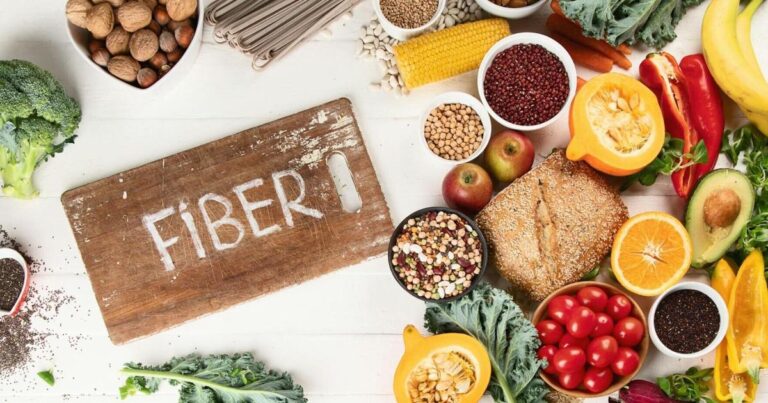
Distinguishing between simple processing and ultra-processing is key for consumers looking to improve their health. While slicing an apple or canning vegetables involves processing, ultra-processed foods are defined by long lists of synthetic additives and preservatives. Experts suggest a simple rule for shopping: check the ingredient label to see if it matches the product name on the front of the box. To keep costs down while eating cleaner, nutritionists recommend opting for frozen fruits and vegetables without added sauces or choosing low-sodium canned goods and basic staples like beans and brown rice.
While total elimination might feel overwhelming or unrealistic for most families, experts emphasize that gradual reduction is an effective strategy. Rather than attempting to overhaul an entire pantry overnight, individuals are encouraged to identify two or three frequent ultra-processed staples and replace them with whole versions. Lead author Dr. Xiao Liu warns that modern diets have become increasingly unsafe and urges a return to vegetable-heavy plates to mitigate these chronic risks. For parents specifically, focusing on positive modeling and open conversations about nutrition is seen as more sustainable than strict control over what children eat outside the home.