
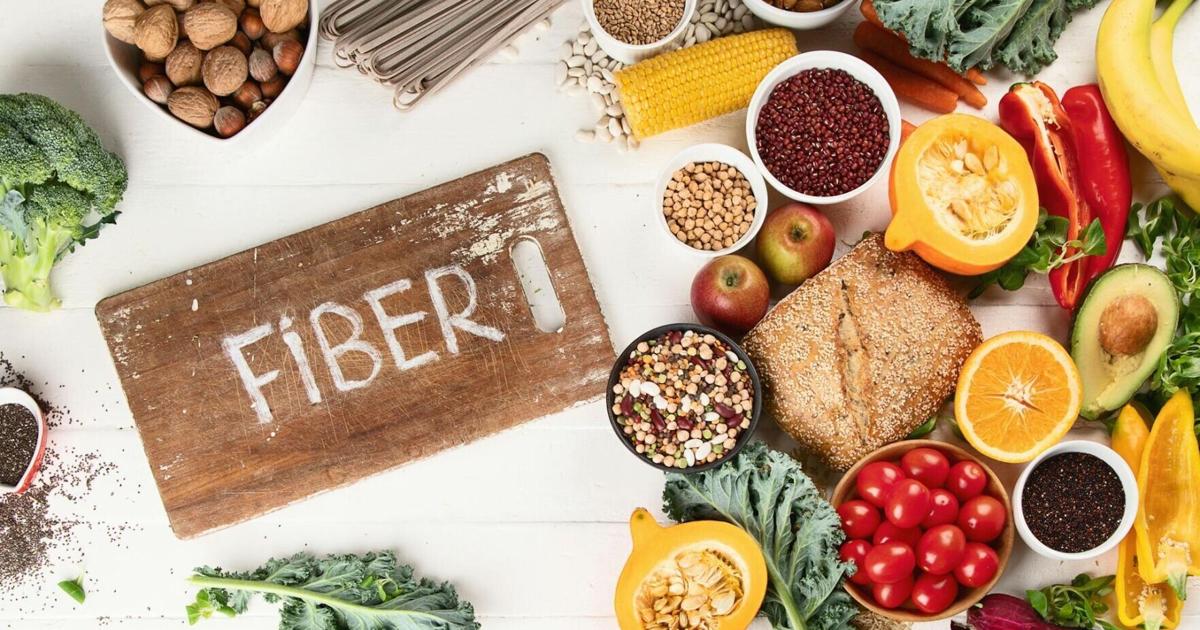
Americans are facing a significant fiber deficit that persists despite the nutrient’s growing popularity in social media wellness trends. While current guidelines suggest 25 grams a day for women and 38 grams for men, data shows that only a tiny fraction of adults actually hit those marks, with the average person consuming just 16 grams. This gap is particularly concerning given that consistent research links high fiber intake to reduced risks of heart disease and colorectal cancer, while also helping manage arthritis symptoms.
The confusion surrounding fiber often stems from contradictory messaging in official dietary guides and an overwhelming array of choices on store shelves. Dietary fiber consists of carbohydrates the body cannot digest, appearing naturally in foods like raspberries, avocados, oats, and lentils. However, it also arrives in processed forms, such as psyllium husk supplements or isolated fibers like inulin added to everything from keto snacks to sodas. Not all these fibers function the same way; some form gels that promote fullness and lower cholesterol, while others are fermented by gut bacteria to reduce bodily inflammation.
Understanding the difference between fiber and probiotics is another common hurdle for many patients. While probiotics introduce live beneficial microbes through foods like yogurt and kimchi, fiber acts as the fuel that existing gut bacteria need to thrive. Recent studies suggests that combining both approaches creates a synergistic effect where fiber makes the microbiome more efficient at producing helpful enzymes while fermented foods increase overall bacterial diversity and lower systemic inflammation.
When attempting to close the fiber gap, medical professionals warn against a sudden overhaul of eating habits. Increasing intake too quickly can lead to uncomfortable bloating and digestive distress, especially with highly fermentable fibers found in fortified snacks. Instead, doctors recommend a slow transition paired with increased hydration to ensure smooth digestion. Because factors like cost and taste vary per person, there is no universal blueprint for success; whether someone relies on whole fruits or strategic supplementation, the goal is finding a sustainable variety that fits their specific lifestyle.