A recent surge in foodborne illnesses has sent millions of Americans flocking to farmers markets or starting their own backyard plots. According to the National Gardening Association, roughly 44 million households now grow some of their own produce, driven by a desire for more control over what ends up on their plates. However, whether a homegrown tomato is actually safer than one from a supermarket is not a simple yes or no question. James Rogers, the director of food safety for Consumer Reports, suggests that safety depends far more on specific farming practices than the actual size of the operation.
Large scale industrial farms benefit from strict regulatory standards and barcode tracking systems that allow contaminated batches to be identified and recalled quickly. The downside to these massive operations is that once a single batch becomes contaminated, the sheer volume of processing centers can spread the pathogen across thousands of units. Conversely, most small growers are exempt from many FDA regulations regarding irrigation and microorganism testing. This creates a wide spectrum of safety levels among hobbyists, ranging from those who treat their soil with clinical precision to those who overlook hidden risks.
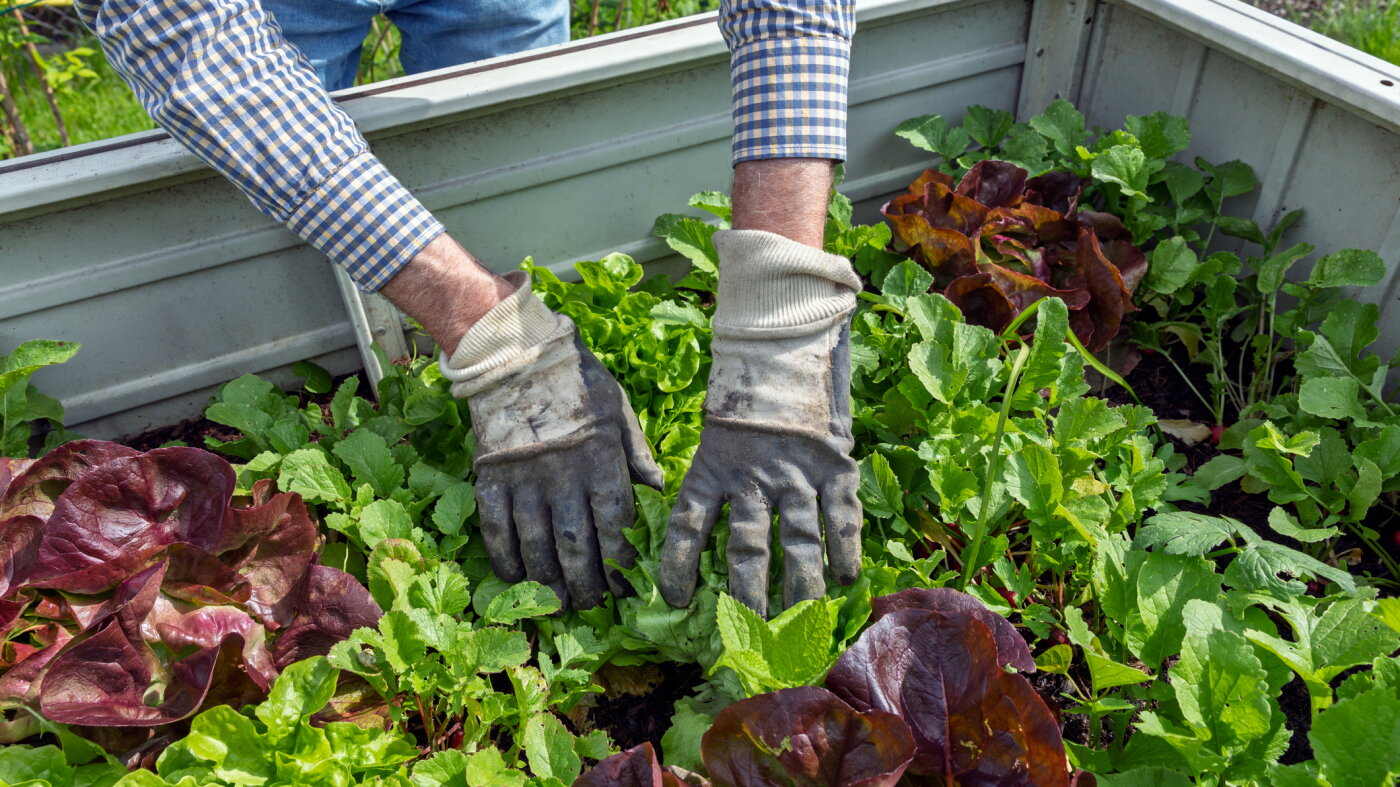
The contrast is clear when looking at two experienced gardeners with very different philosophies. Phil Tocco, an agricultural food safety expert from Michigan, treats his garden with extreme caution due to the risk of fecal contaminants brought in by animals or children. He avoids using rain barrels, which he describes as bacterial soup, and utilizes specialized acids to sanitize his greens because he believes water alone does not remove enough pathogens. On the other hand, Dave Whitinger of Texas turned to gardening specifically out of a mistrust of corporate agriculture and its use of manure fertilizers. Knowing exactly what goes into his soil gives him such confidence that he sometimes skips washing his lettuce entirely to avoid getting the leaves wet.
Despite these differing perspectives on cultivation, health professionals agree on one fundamental rule for the consumer: wash everything. Regardless of whether a vegetable was picked ten feet from your kitchen door or shipped from another country, rinsing produce under running water remains the best line of defense. Experts also remind home cooks that contamination often happens inside the house through cross contact between raw meats and fresh vegetables, making clean hands and sanitized cutting boards just as important as where the food was grown.