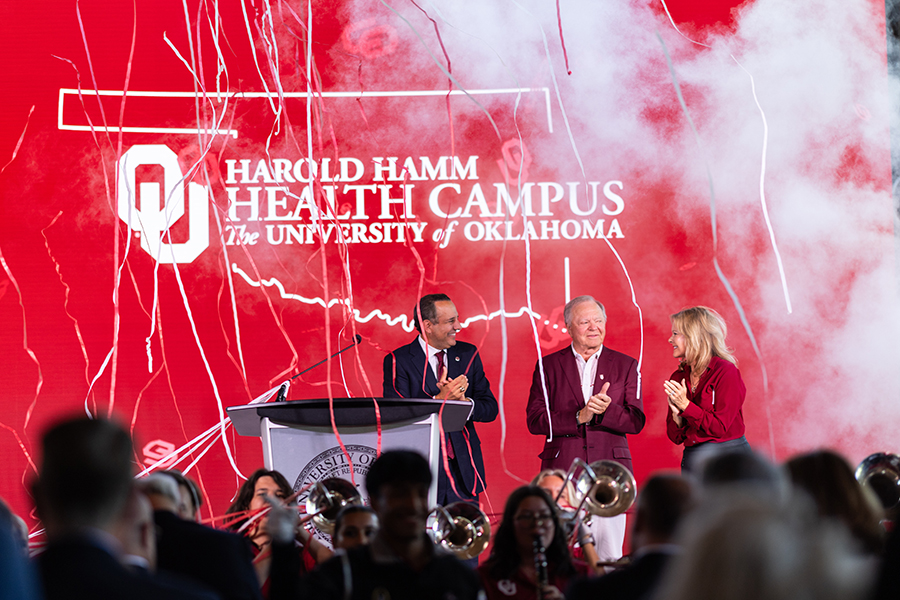
The University of Oklahoma has received a transformative gift that marks a turning point for healthcare in the region. Harold Hamm has committed 150 million dollars to the institution, representing the largest single donation in the university’s history. In honor of this unprecedented contribution, the school’s health campus in Oklahoma City will officially be renamed the Harold Hamm Health Campus at the University of Oklahoma. With this latest pledge, Hamm’s total lifetime giving to the university is nearing 250 million dollars.
The funds are strategically divided to tackle both specific and broad medical challenges facing Oklahomans. Fifty million dollars of the gift is earmarked for the Harold Hamm Diabetes Center to push forward new eras of research and discovery regarding metabolic diseases. The remaining 100 million dollars will support the wider academic and research operations of the health campus, aiming to strengthen the state’s healthcare workforce and accelerate breakthroughs against critical public health crises.
University President Joseph Harroz Jr. described Hamm as a global visionary whose life reflects the ambition and determination inherent to Oklahoma. He noted that the gift arrives at a pivotal moment when the university possesses a unique capacity to change the trajectory of regional health through strong partnerships between government agencies, tribal nations, and philanthropic leaders. The campus currently educates roughly 80 percent of Oklahoma’s healthcare workers and has recently achieved its first top 100 national ranking in National Institutes of Health funding.
This investment aligns with a larger initiative known as Project 200, an aggressive recruitment effort aimed at bringing world class researchers to Oklahoma specializing in cancer, neuroscience, and diabetes. By bridging the gap between laboratory discovery and bedside patient care, officials believe they can provide faster access to clinical trials and advanced treatments. For Hamm, who has fought for affordable insulin and diabetic research since his own diagnosis decades ago, this move is about recognizing an opportunity to solve problems others might overlook using bold action and substantial resources.